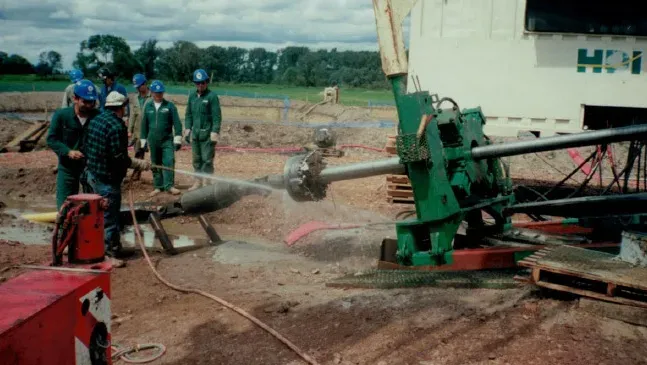
Twenty-five years ago, SiteTec set itself a mission. Build HDD-equipment that professionals on site can pick up, understand, and maintain. Since then, the market has changed considerably. Our mission has not.
It started at the jobsite
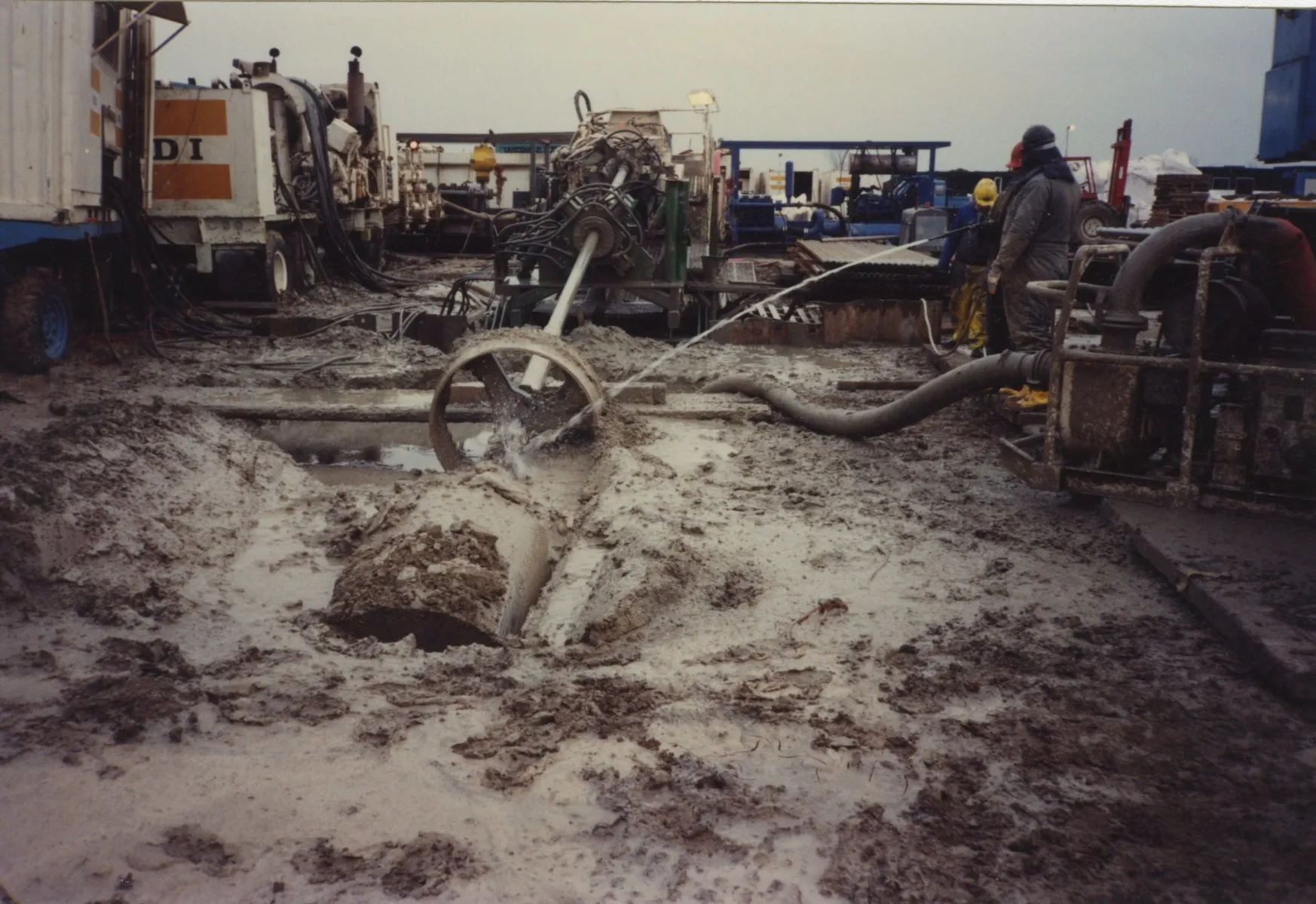
Long before SiteTec existed, our founder Corné Willemsen was travelling across Europe as a service technician for Marindco's rental mud pumps. It was the 1990s, when HDD in Europe was still finding its feet. Spotting a rig on the road was a coincidence. Job after job, that role put him in front of equipment being used for real. Pumps you could barely reach for maintenance. Units that suited one operator but slowed the next one down. Set-ups that looked good on paper, but did not hold up once the job started running.
Back in the workshop, his observations started to translate into small adjustments, and later into complete units built with the jobsite in mind. When Marindco went bankrupt, that way of looking at equipment did not disappear. Corné founded SiteTec together with two business partners, and a core group of colleagues came along, bringing the same hands-on experience and practical view of what equipment should do in the field.
Designed in-house, built with original components
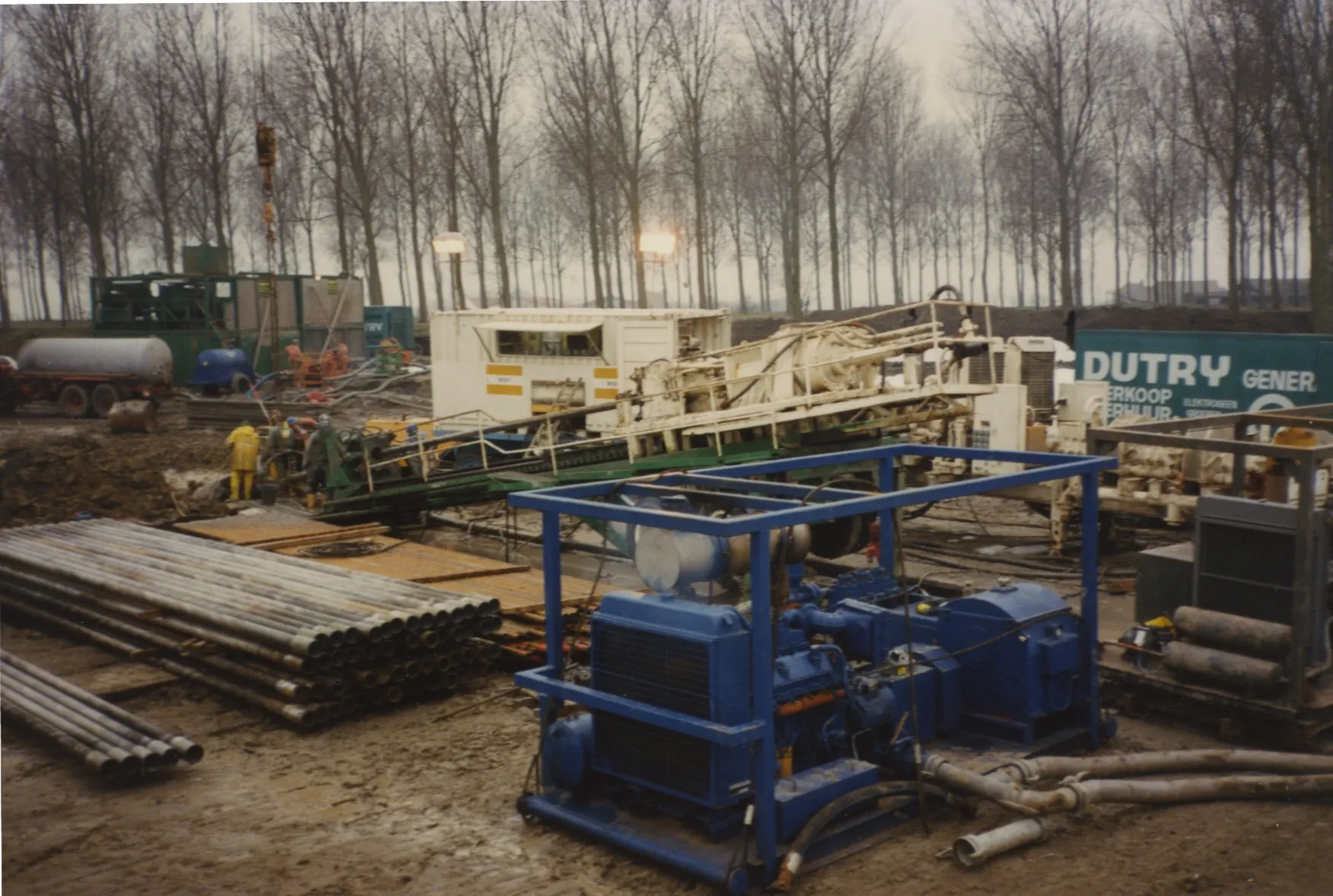
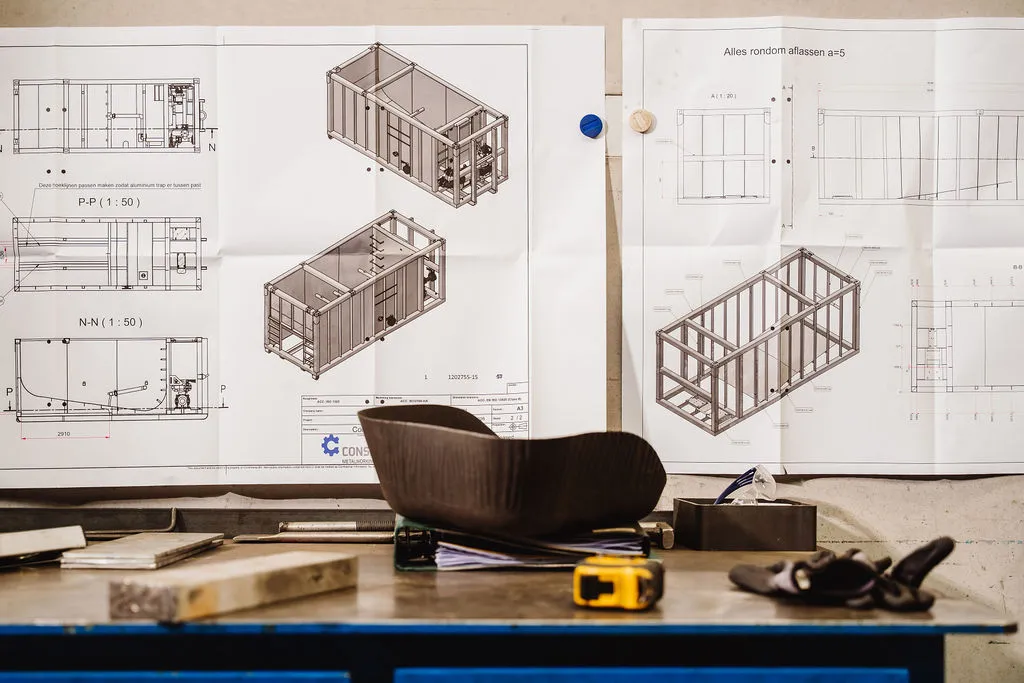
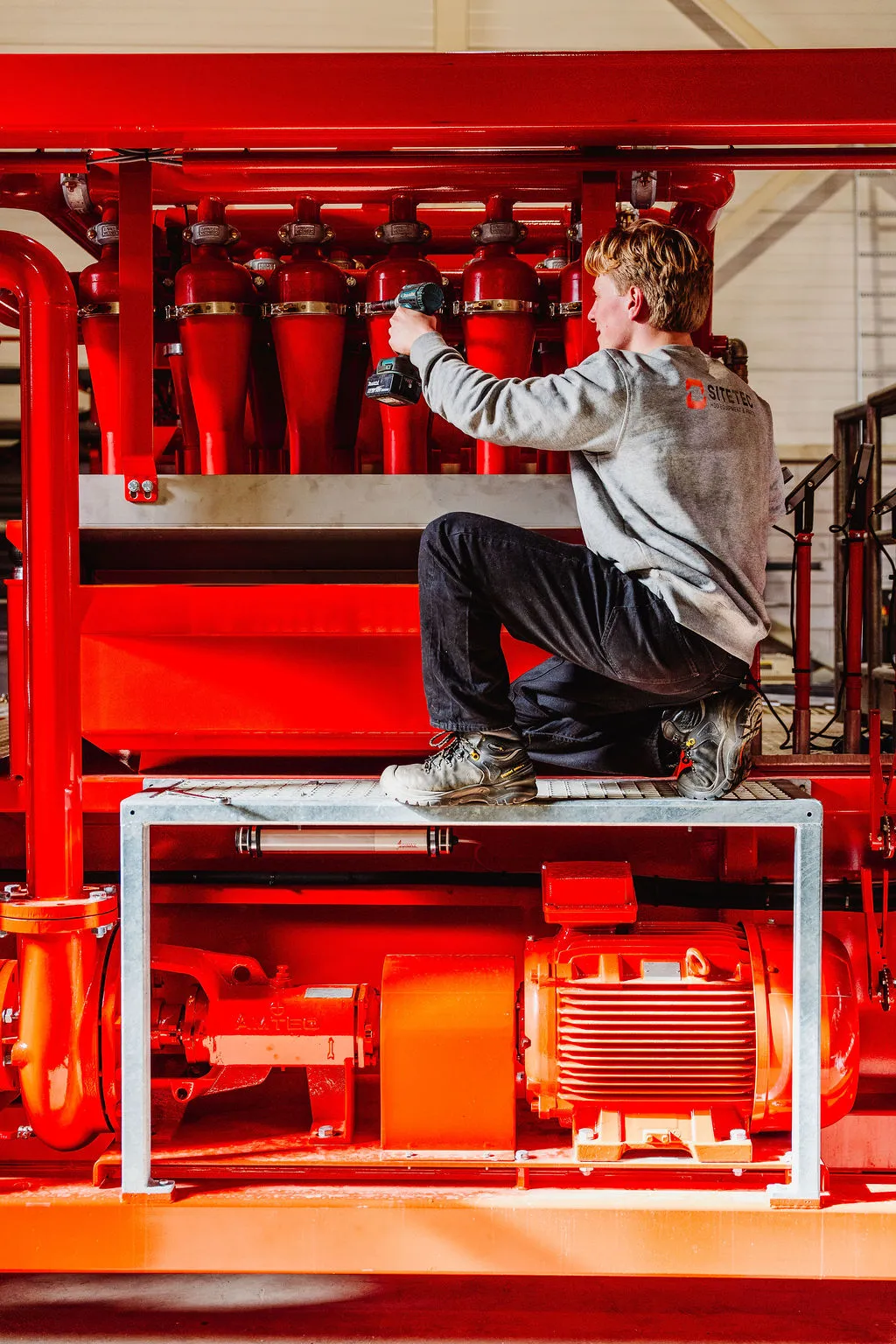
From the start, one thing has been non-negotiable: if you build equipment, you need to understand every detail of it. That’s why all our mixing, recycling and pumping units are designed in-house, from first concept to final layout.
Instead of assembling off-the-shelf systems, we determine how the unit should work, how the flow should run, where maintenance points need to be accessible and which pumps, shakers and tools fit the job. Fixed suppliers deliver the selected parts, while partners like Consmema support in translating our designs into detailed steel construction and assembly.
The same standard applies to the technology we use. As an authorised partner of Derrick, Gardner Denver and LaValley Industries, we work with manufacturers that design and build from their own proven concepts. That matters, because every part should have a clear logic behind it. We need to understand why a pump, shaker, screen or tool is built the way it is, how it performs in the field and how it can be serviced when needed.
Feedback from the field
Most ideas still begin on site, during projects, service visits or conversations with the people who work with the equipment every day. A drilling contractor running into a practical limitation, a dealer identifying a recurring maintenance issue, or a customer searching for a more efficient way to handle specific ground conditions. Input from the field has always shaped the way SiteTec units develop over time. At the same time, experience is what determines which improvements actually add value. Not every request leads to a better machine, and adding more features does not automatically improve performance in practice. We distinguish between temporary preferences and adjustments that genuinely improve reliability, ease of maintenance or day-to-day operation. When something proves itself under real working conditions, it becomes part of the next generation of designs.
Built to last, backed by local knowledge
That way of working is reflected in the lifespan of the equipment. Many SiteTec units remain operational for over fifteen years and regularly outlast the rig they were originally paired with. When older recycling or mixing units return after a decade or more in the field, the steel construction is often still in solid condition. Electrical systems can be renewed, hydraulic installations partly replaced or reconditioned, and engines fully overhauled. In many cases, this extends the operational life of a unit significantly, without requiring a completely new build.
But long service life is not only built into the machine. It also depends on the people who keep it running in the field. That is why SiteTec works with dealers across Europe who understand the regional market, know the drilling conditions and can support customers in their own language. Ground conditions, regulations and working methods differ from country to country, and practical local knowledge makes a real difference when equipment needs servicing, adjustments or technical support in the field.
Moving with the market
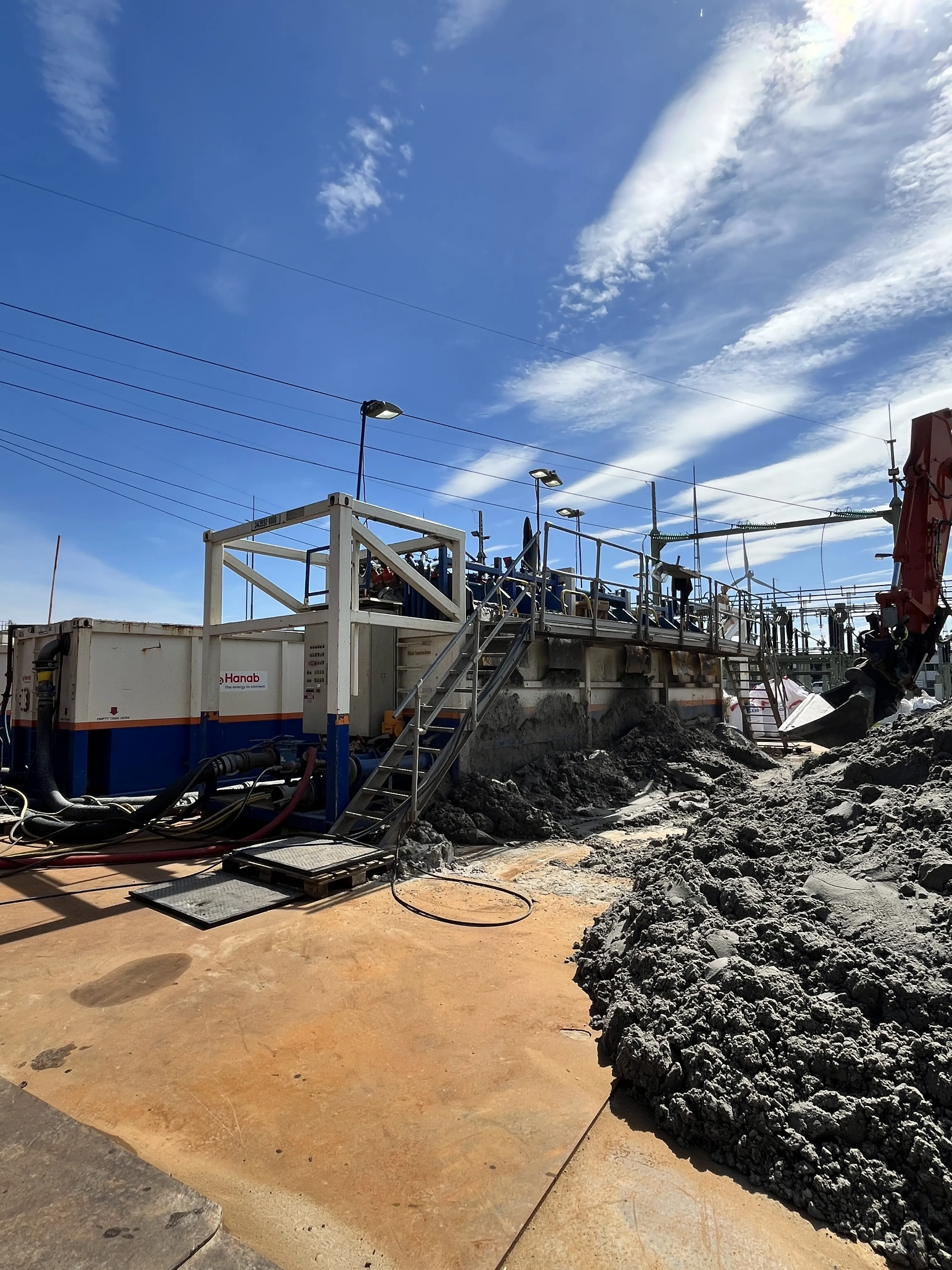
HDD has changed considerably in twenty-five years. The work has grown and diversified, from mostly gas and water to district heating, hydrogen, conduits for power and fibre, and even drainage. Bores are getting longer and deeper, or smaller and more precise depending on the job. Drilling companies have grown and merged. Electrification has moved from curiosity to serious requirement, especially with clients running emissions points systems. Safety, efficiency and labour have become bigger pressure points. All of that asks for equipment that moves with the market: more compact where it can be, integrated where it has to be, and smarter where the work demands it.
Beyond the mud system
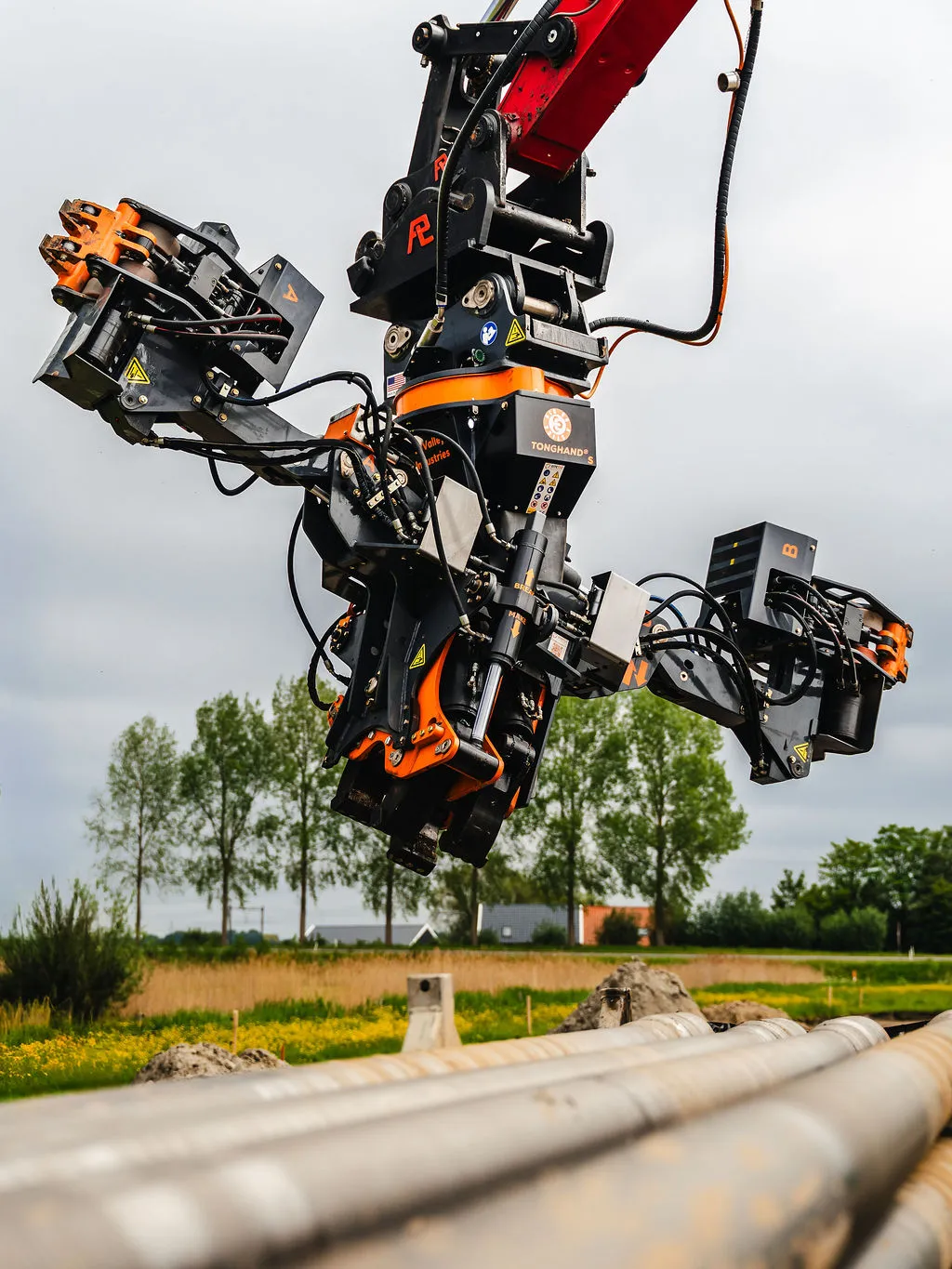
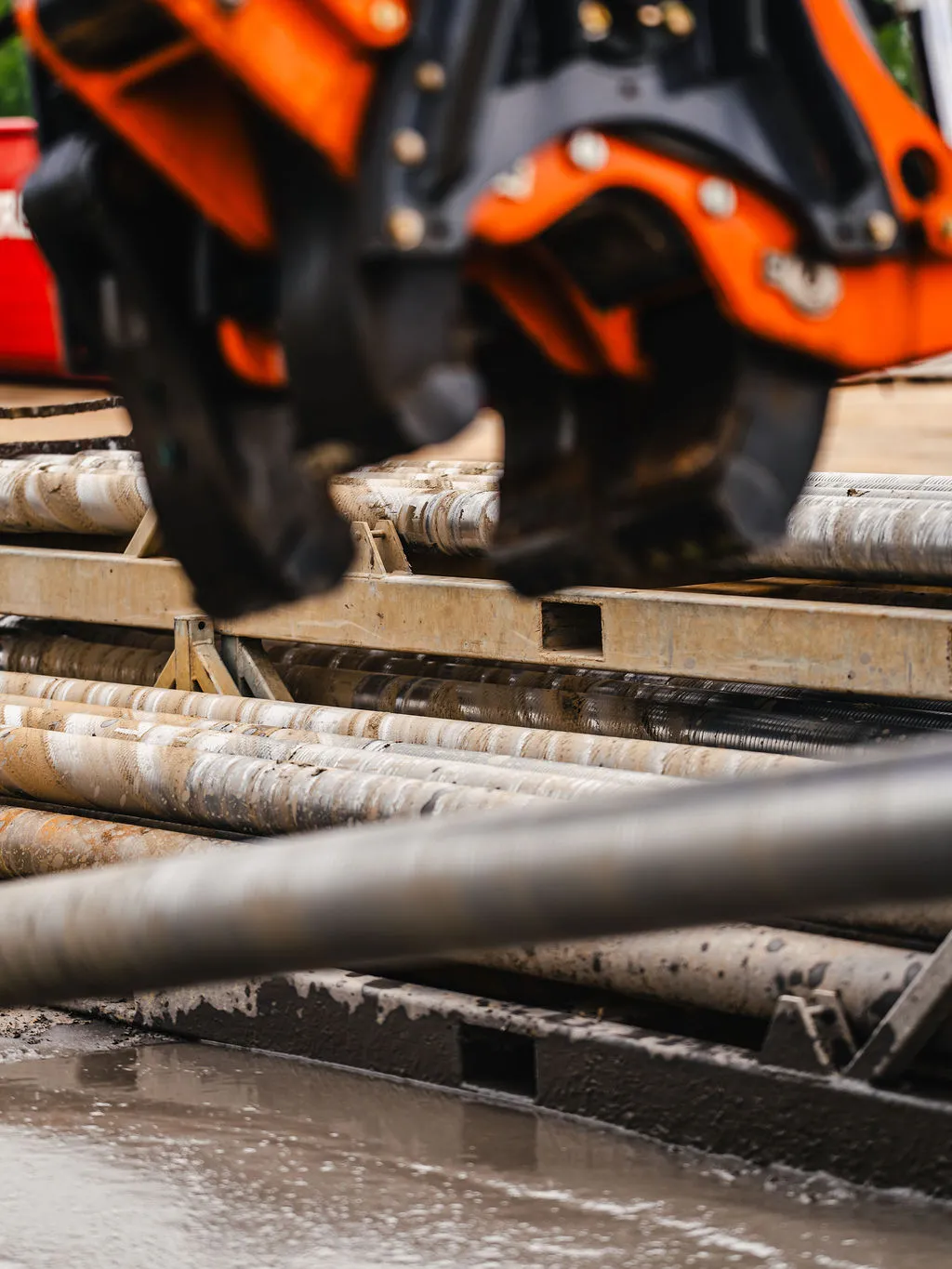
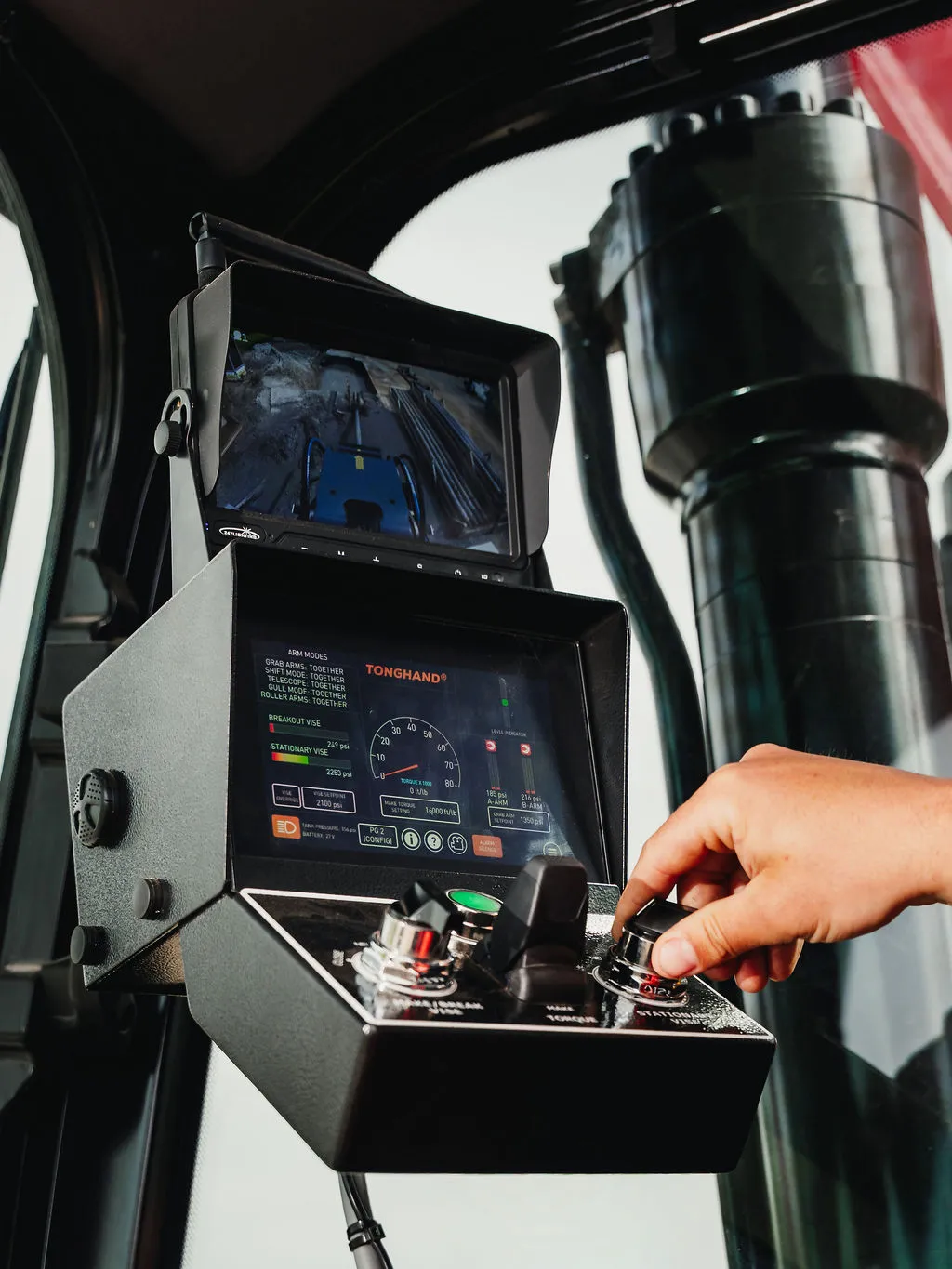
Part of this new reality is that the old way of working with straps, chains and people close to heavy or rotating pipe is becoming harder to justify. That is why SiteTec works with LaValley Industries, supplying tools such as the Tonghand and Deckhand for safer and more controlled pipe handling. These tools help crews make, break, load and position pipe with more control and fewer people near the string. In forward reaming, they can also change the workflow itself, reducing movements between rig side and exit side, limiting transport actions and keeping more of the process under control.
From mud systems to pipe handling tools, everything we do sits around the bore and serves one purpose: making the job easier for the people who have to get it done. Here’s to the next decade!